Three commitments shipped to start the year. Each one moves concrete substrate under the architectural promise that Burna grades should be defensible at the audit layer, not just at the assertion layer.
Three commitments shipped to start the year
Every grade Burna AI produces should be defensible. Defensibility, at the architectural level, is not a marketing claim about transparency. It is a set of fields that travel with the grade through the audit trail. This week we shipped three changes that move concrete substrate under that commitment.
Every CTCAE grade now carries the identifier of the language model that produced it. Every graded event automatically routes to one of the eleven system organ class categories. And the mobile application now supports password sign-in for institutions whose IT policies require it.
Here is what shipped, why it matters, and what is next.
Feature Highlight 1: Model identifier on every grade
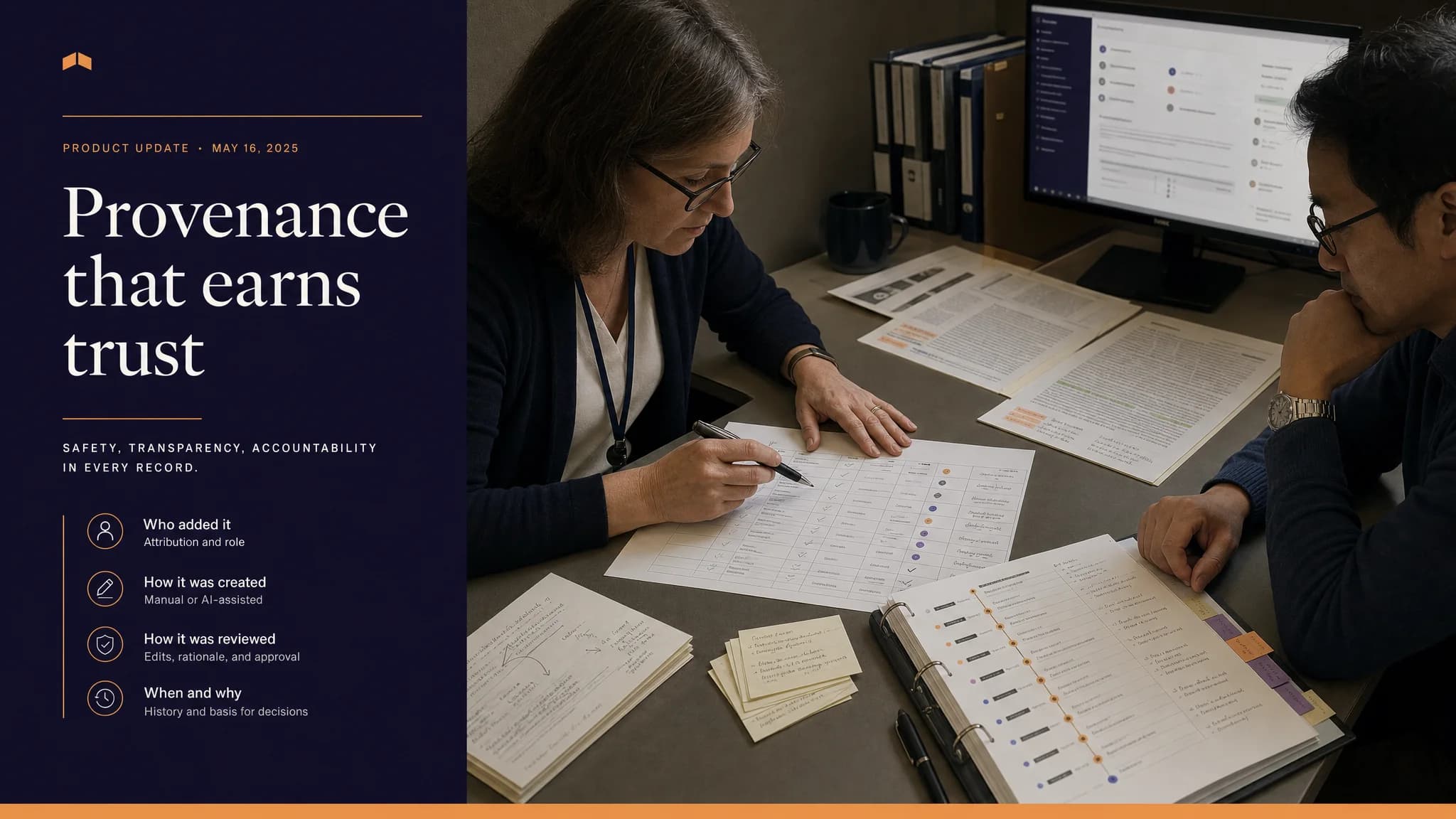
Every CTCAE grade Burna AI produces now writes the identifier of the language model that produced it into the audit trail, alongside the grade itself, the citation chain, and the timestamps for grading and clinician review.
The reason this matters is regulatory. FDA guidance on AI in clinical trials asks reviewers to be able to trace any AI-assisted decision back to the specific algorithm version that produced it. Without that traceability, a regulator looking at a sponsor submission cannot distinguish a Grade 3 cardiac event generated by one model version from a Grade 3 cardiac event generated by a different version six months later. Burna closes that gap at the architectural level. The model identifier is part of the grade artifact, not metadata layered on top.
The identifier appears on the adverse event detail screen, in every bulk export (CSV, Excel, regulatory submission package), and in every audit log query. The chain of custody on the grade now reads: who initiated the grading request, which model processed it, when the assessment occurred, who reviewed the final result, and when the clinician signed it off.
Feature Highlight 2: Automatic routing to system organ class
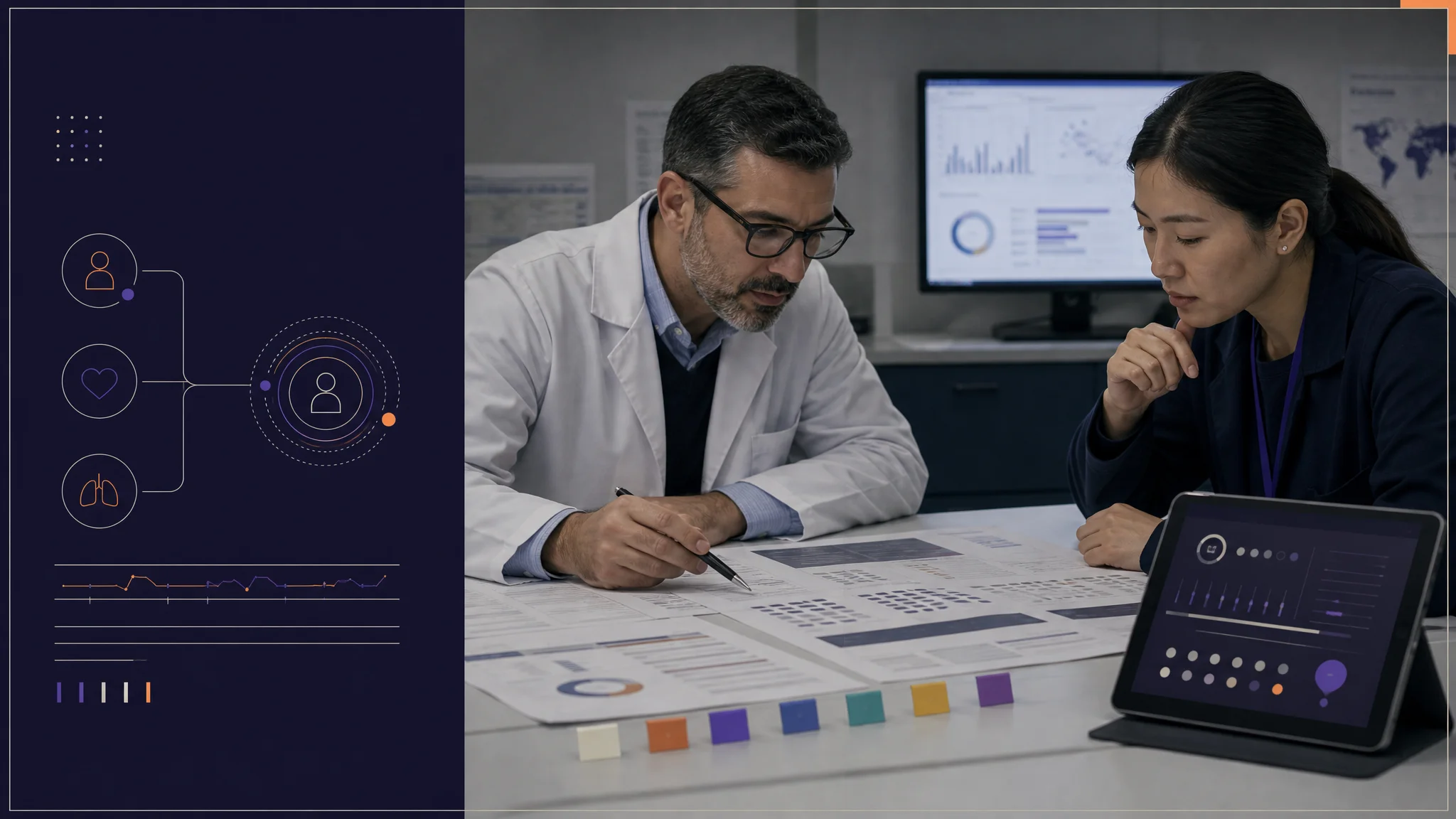
Every adverse event Burna AI grades now also routes to one of eleven system organ class categories: hematologic, neurologic, dermatologic, gastrointestinal, cardiovascular, pulmonary, renal, hepatic, metabolic, infectious, and other. The routing happens at grade time, with no separate coordinator action.
The routing matters because the safety monitoring committee asks category-driven questions, not term-driven questions. "What did the cardiovascular events across this regimen look like this quarter?" is a question the committee asks weekly. If categorization is manual and per-coordinator, the answer is only as consistent as the slowest coordinator. With routing happening at grade time, the same CTCAE term always lands in the same category, and the committee gets a defensibly complete set when they ask.
Examples: an "Anemia" finding routes to Hematologic. "Peripheral sensory neuropathy" routes to Neurologic. "QTc prolongation" routes to Cardiovascular. Coordinators can filter the adverse events list by category, run category-specific safety reports, and trend by category over time without any additional setup.
Feature Highlight 3: Password sign-in on mobile for institutional accounts
The mobile application now supports password-based sign-in alongside the existing magic-link flow. The change is narrow but unblocks deployment at institutions whose IT policy mandates password authentication for clinical applications. Minimum twelve characters with the standard mix.
We also consolidated several thousand lines of duplicated mobile code into a shared component library in the same release. Users will see nothing different on screen. Future mobile updates will ship faster across iOS and Android because the duplication is gone.
Looking Ahead
Coming weeks: workflow resumption for failed mid-grading steps, expanded export templates for sponsor-specific data specifications, and deeper integration with the electronic health record at the patient demographic and encounter level.
More Friday updates at burna.ai/blog.