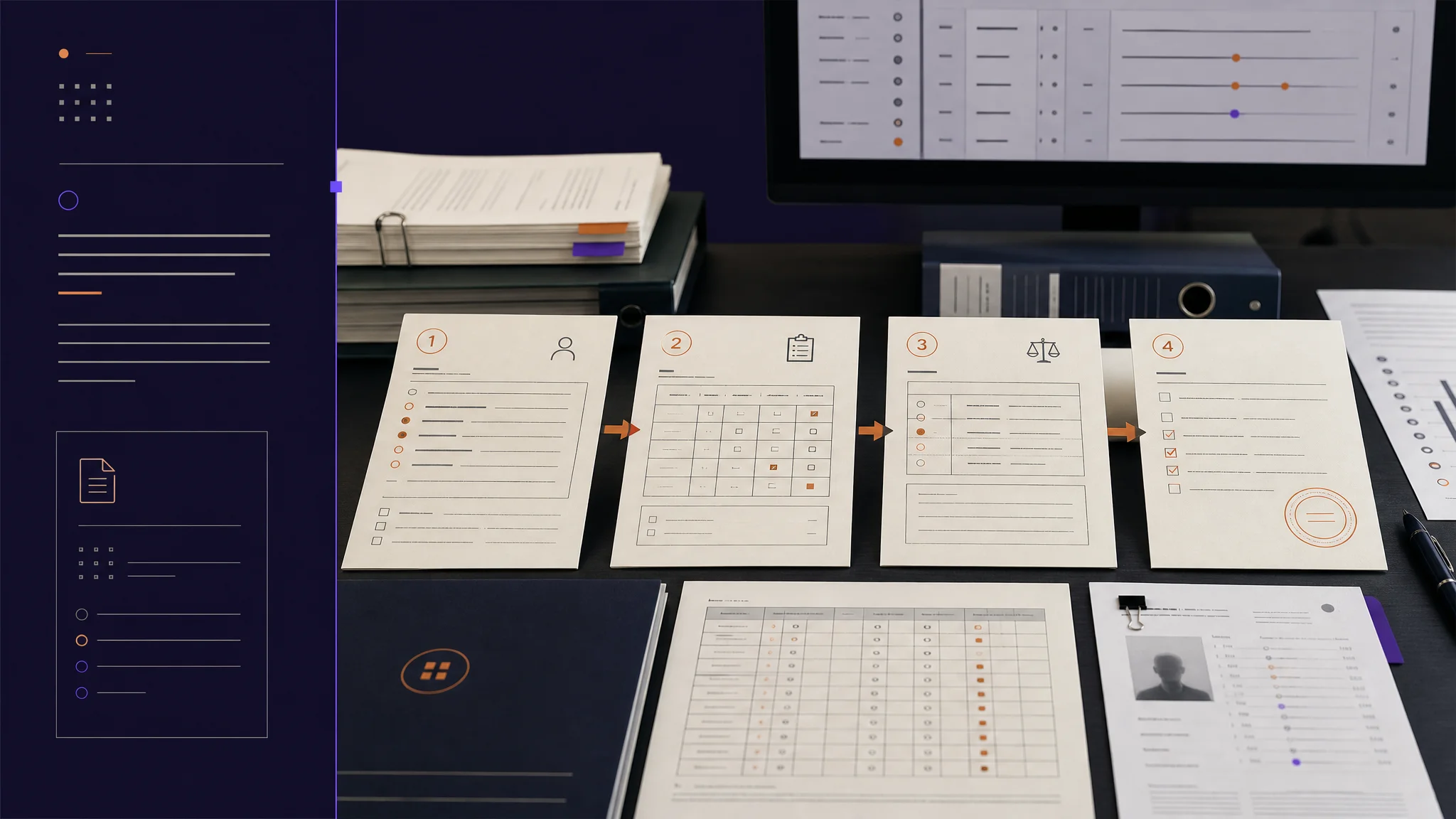
Three repeated administrative burdens consume coordinator time: regulatory paperwork, manually titling and summarizing visits, and tracking multi-site trial operations. This week we automated all three.
Three repeated administrative burdens, removed
Clinical trial teams spend significant time on regulatory paperwork, on titling and summarizing visit documentation, and on managing site-level data across multiple locations. Each of these is administrative work, and administrative work is the category coordinators most often cite as the work they wish they were not doing.
This week we automated all three. Coordinators can generate FDA MedWatch, IRB Unanticipated Problem, and Sponsor SAE reports directly from graded events. Visit titles and excerpts generate automatically from clinical notes. And study sites are now a first-class concept managed from a dedicated interface, with their data feeding correctly into the regulatory reports that need it.
Here is what shipped, why it matters, and what is next.
Feature Highlight 1: Regulatory report generation
Coordinators can now generate three regulatory report types directly from adverse event data:
- FDA MedWatch 3500A: the standard form for reporting serious adverse events to the FDA
- IRB Unanticipated Problem Report: for events requiring institutional review board notification
- Sponsor SAE Report: formatted for sponsor safety desks with attribution and causality data
Each report type includes per-field validation, supplemental data collection where clinicians can add regulatory-specific context that the standard grading workflow does not capture, and compliance tracking. The platform shows which reports are recommended based on the adverse event severity and causality, so coordinators do not need to remember the decision tree for each report type.
The platform also added admin pages for managing clinical trial protocols (IND/IRB numbers, sponsor details, regimen data) and PRO enrollment tokens, so the institutional data feeding into these reports is accurate and centrally managed.
Why this matters: regulatory report generation is one of the most error-prone documentation tasks in clinical trials. Missing fields, inconsistent formatting, and manual data entry create audit risk. Automated generation with built-in validation catches issues before submission.
Feature Highlight 2: Automatic visit titles and excerpts
Every visit with clinical notes now receives an AI-generated title and excerpt. A lightweight workflow parses the clinical note and produces structured output: a concise title and a summary excerpt.
The workflow runs asynchronously. When a clinical note is created, the platform triggers title generation. When the workflow completes, the visit record updates with the result. Recording-type visits are excluded since they use a different documentation flow.
What coordinators notice: visit lists become immediately scannable. Instead of generic timestamps or manually-entered titles, each visit displays a clinically meaningful summary. This compounds across coordinators managing dozens of active patients across multiple protocols.
Feature Highlight 3: Study site management
The platform now includes a dedicated interface for managing study sites. Teams can:
- Create sites with institutional details: location, contact information, principal investigator, and coordinator assignments
- Search and filter across all sites in the organization
- View and edit site details in a slide-out drawer with inline editing
- Reference site data in regulatory reports and patient-facing trial information
Everything is organization-scoped, so multi-site trial networks see only their own sites. The data model also added a site number field, which is required for several regulatory report types.
Under the surface
Default grading model upgrade: the default model used in CTCAE grading and clinical reasoning was upgraded to a stronger reasoner across all AI-assisted workflows. Grading agreement on edge cases improves measurably.
Storage migration for AI workflows: the workflow engine's storage and vector layer moved to a managed PostgreSQL-based stack with pgvector. This is a drop-in replacement at the initialization layer with no changes to workflow execution. The change enables self-hosted deployments, better similarity search performance, and more predictable costs as the platform scales.
Improvements
- Billing: migrated to a plan-based billing API for more flexible subscription management
- Dark mode: replaced hardcoded colors with semantic design tokens across signup, settings, and search pages
- Microphone UX: recording permissions are now requested only when the user starts recording, not on page load
- Blind grading fix: organization admins assigned as raters now correctly see the rater view, not the admin view
- Framework upgrade: latest framework version for performance and stability improvements
- Organization-wide visit sharing: team members can now see visits shared across the workspace
Looking Ahead
Next: batch processing for regulatory reports across multiple adverse events, and protocol-level analytics on trial-wide event patterns.
More Friday updates at burna.ai/blog.