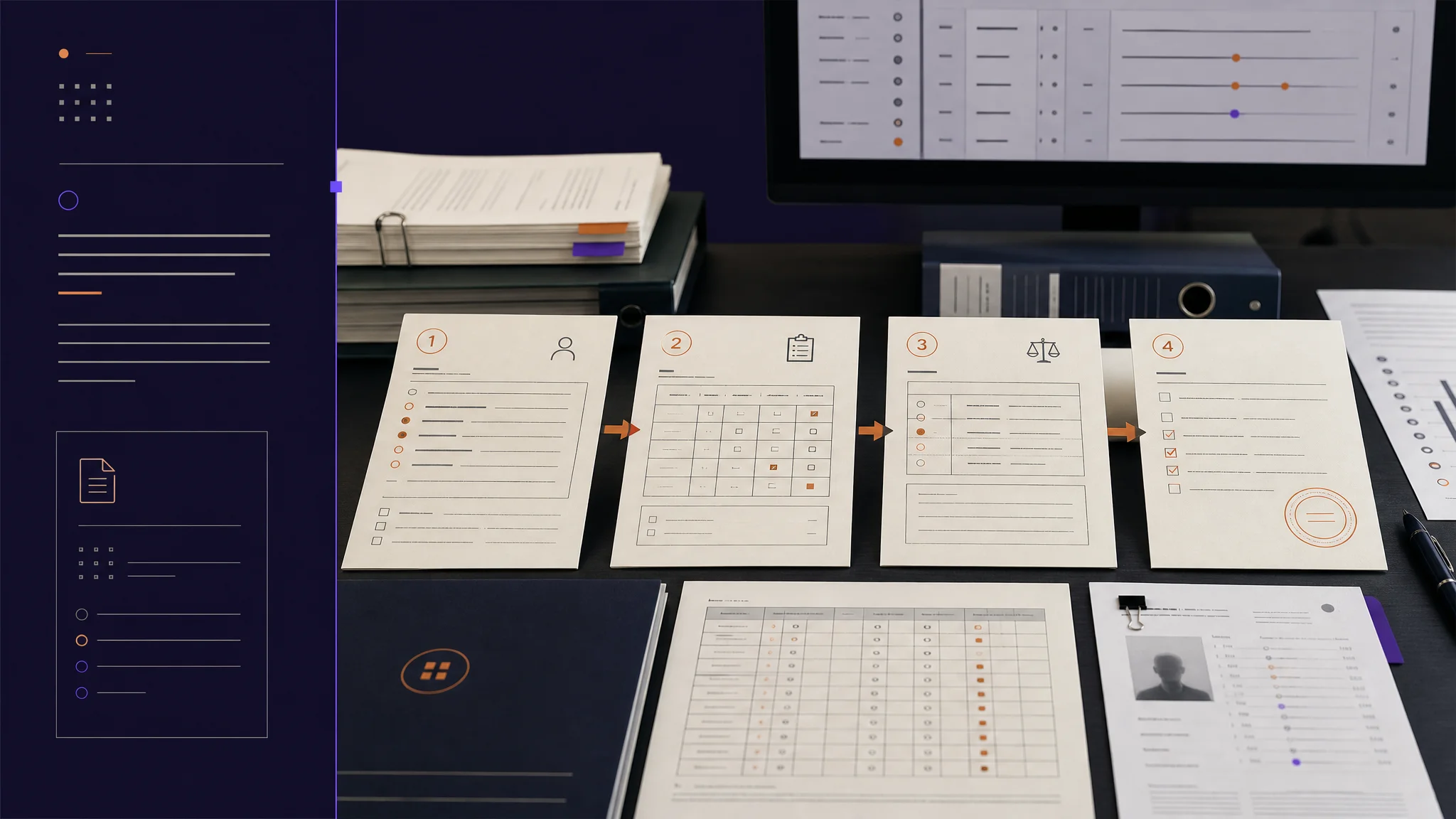
Coordinators spend significant time moving data between clinical systems and recovering from interruptions. This week we closed three of those gaps end-to-end: direct patient import, workflow resumption, and automatic alerting on high-grade self-reports.
Closing three workflow gaps end-to-end
Coordinators spend significant time moving data between clinical systems, recovering from interruptions in multi-step workflows, and tracking which patient self-reports need an immediate response. Each of these problems has a small daily cost that compounds into hours of weekly overhead per coordinator.
This week we closed each one. Patient demographics now import directly from the electronic health record. Failed grading workflows now resume from the step that failed, not from the start of the recording. And Grade 3 or higher events submitted by patients between visits now route to provider notifications with a time-based action deadline.
Here is what shipped, why it matters, and what is next.
Feature Highlight 1: Direct patient import from the EHR
The electronic health record holds the source of truth for patient demographics. The platform was previously a separate system that required manual data entry. Direct patient import closes that gap in both directions:
When a clinician launches the platform from inside their EHR, the patient context loads automatically. A single click imports the patient record. Demographics map from the FHIR Patient resource to the platform's patient profile.
When the coordinator starts from the platform, they can search connected EHRs by name, date of birth, gender, or Medical Record Number. Results paginate for large rosters. Importing a patient creates a local profile with deduplication, so the same patient imported twice does not produce two records.
EHR-sourced fields like name and MRN are marked read-only after import. The coordinator can still add contact information like email and phone number, but the fields the EHR owns remain in sync with the EHR.
Feature Highlight 2: Workflow resumption from the failed step
Network failures are a clinical reality. A coordinator halfway through an attribution analysis should not have to re-grade the entire CTCAE workflow because of a momentary connectivity issue.
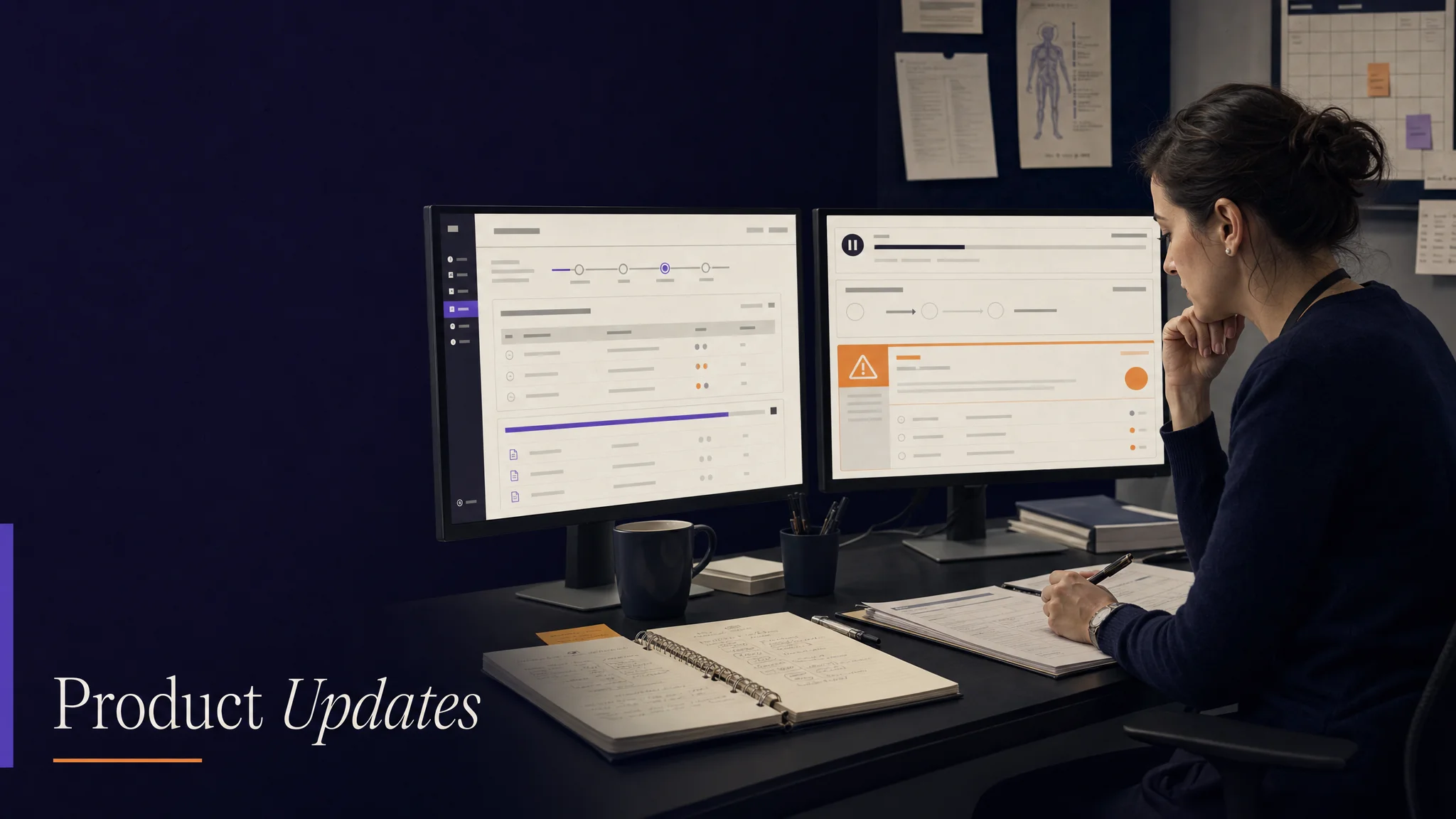
The workflow execution layer now supports resumable runs. When an attribution or clinical-decision workflow fails mid-execution, the platform preserves the completed work and presents a Retry control. The retry resumes from the last successful step, using the existing workflow run record rather than creating a new one.
The implementation also introduces master-workflow coordination. If a clinician retries a child workflow, the platform first cancels any still-running sibling workflows to prevent race conditions and data inconsistency. The audit trail remains continuous, with every retry logged as a distinct event.
Feature Highlight 3: Automatic alerts for Grade 3 patient self-reports
Patient self-reporting between clinic visits is one of the highest-impact capabilities in modern oncology trials. Denis et al. (JAMA 2019) demonstrated a survival benefit of 22.5 months versus 14.9 months when patients actively reported symptoms. But the survival benefit only materializes if providers act on what patients report.
The platform now generates an automatic provider notification when a patient submits a Grade 3 or higher adverse event through the PRO-CTCAE module. Each notification includes a time-based action deadline so high-grade events receive the urgency they require. This is the foundation for continuous adverse event monitoring that bridges the gap between clinic visits without adding workload to the coordinator.
Architecture: workflow resource
Behind the surface, we completed a meaningful architectural improvement. Workflow run identifiers were previously stored directly on the visit record, which coupled the workflow run lifecycle to the visit lifecycle. That coupling made it hard to support multiple workflow types and harder to query audit trails cleanly.
We introduced a new workflow-resource relationship as the single source of truth for linking any workflow run to any resource. This decoupling produces cleaner audit trails, support for multiple workflow types without schema migrations, and a substrate for future capabilities like workflow history and multi-run analysis.
The migration touched the backend, the provider web app, the mobile provider app, and the shared packages, with every workflow creation and linking path updated.
Improvements
- EHR OAuth now uses clinician-level scopes consistently, aligning with the principle of least privilege
- Patient check-in scheduling supports biweekly, monthly, and adaptive frequency
- Adverse event report PDFs can be generated directly from the platform for regulatory submission
Looking Ahead
With EHR integration maturing (OAuth, patient import, SMART launch), focus shifts to deeper clinical workflow. Coming work: multi-site support for blind grading, deeper NCCN guideline integration in grading suggestions, and expanded patient self-reporting capabilities.
More Friday updates at burna.ai/blog.